
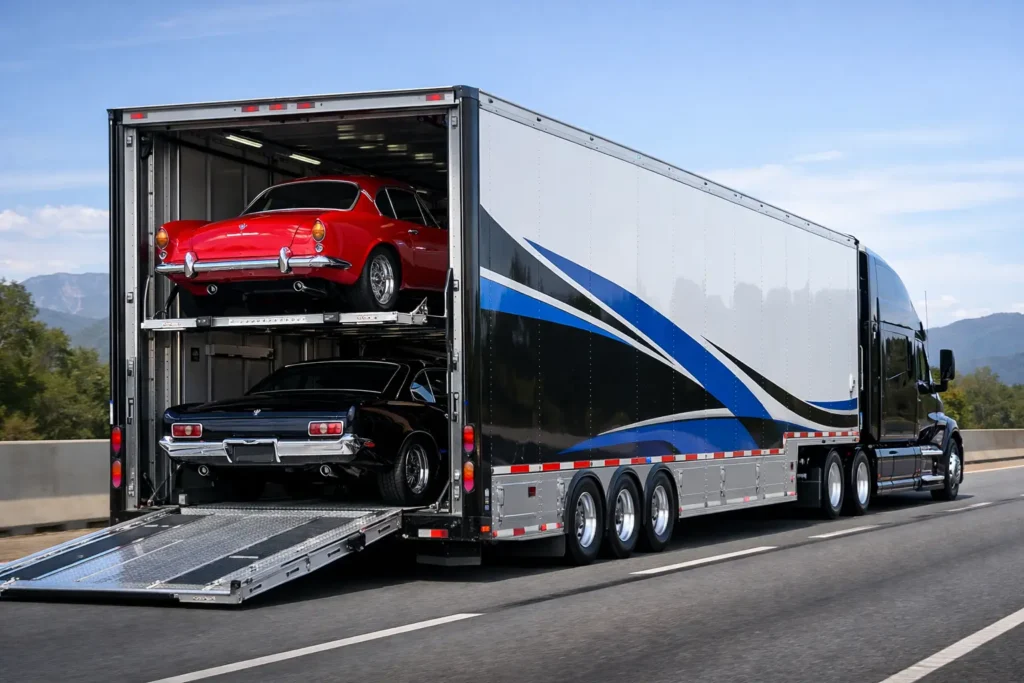
A stone chip on a daily driver is frustrating. A stone chip on a classic car can feel personal. When you are shipping a vehicle that took years to restore, preserve, or pass down through the family, enclosed car transport for classic cars is usually the option that makes the most sense.
Classic vehicles require a different level of care than ordinary cars. Age, paint condition, low ground clearance, rare trim, and limited replacement parts all raise the stakes. The goal is not just getting the vehicle from one place to another. It is getting it there safely, cleanly, and with a process you can trust from pickup to delivery.
Why enclosed car transport for classic cars is often the right choice
Open transport works well for many vehicles, but classic cars are rarely ordinary shipments. Exposure to weather, road debris, dust, and changing conditions may be acceptable for a standard commuter car. For a collector vehicle, that same exposure can create unnecessary risk.
An enclosed trailer adds a controlled layer of protection around the vehicle while it is in transit. That matters for restored paint, chrome, delicate body lines, custom finishes, and interiors you want kept in the same condition as when the car was loaded. If your vehicle has sentimental value, show-quality presentation, or a high replacement cost, enclosed shipping helps reduce the common risks that come with long-distance transport.
There is also a practical side to this decision. Many classic cars sit lower than modern vehicles, have older seals, or simply do not tolerate harsh travel conditions as well. Enclosed transport is not about paying for something extra just because it sounds premium. In many cases, it is the more responsible choice.
What enclosed transport actually protects against
The biggest advantage is protection from outside exposure. During a multi-state route, a vehicle can face rain, wind, road grime, construction dust, sun exposure, and loose debris kicked up by traffic. An enclosed trailer helps shield the vehicle from those conditions.
That added protection matters even more for older finishes or recent restorations. A classic car may have hand-finished paint, polished metal, rare glass, or trim pieces that are difficult to replace. Even if damage is unlikely, owners often choose enclosed shipping because avoiding preventable exposure is worth it.
There is a trade-off, though. Enclosed transport usually costs more than open transport because there are fewer enclosed carriers on the road and fewer vehicles move per trailer. For many classic car owners, that higher price is balanced by lower risk and greater peace of mind.
When classic car owners should strongly consider enclosed shipping
Some situations almost always point toward enclosed transport. If the car is freshly restored, headed to a show, purchased at auction, inherited from family, or has rare parts that are hard to source, extra protection is usually justified.
The same is true for vehicles with very high emotional value. Plenty of classic cars are not six-figure collectibles, but they still matter deeply to the owner. A family Mustang, a restored Chevelle, a vintage Corvette, or a survivor Cadillac may not be easy to replace, even if it could be insured. Shipping decisions should reflect that reality.
Distance also matters. A short local move may present less exposure than a cross-country shipment, but risk adds up over time and miles. The longer the route, the more attractive enclosed transport becomes.
How the process works from pickup to delivery
The shipping process should feel straightforward, not confusing. A professional transport company starts by confirming the vehicle details, route, timing window, and whether the car is operable. For classic cars, accurate information matters because dimensions, ride height, and running condition can affect trailer selection and loading plans.
Before pickup, the vehicle is documented with a condition report. This helps establish its pre-transport condition and gives both the customer and carrier a clear record. The car is then carefully loaded, typically with attention to low-clearance angles and securement points that fit the vehicle properly.
Once in transit, communication matters almost as much as equipment. Customers shipping a classic car want updates, responsive support, and a realistic understanding of the route. That is especially true when the vehicle is headed to an event, sale, or seasonal residence. A fully insured, FMCSA licensed transport provider with strong dispatch coordination helps reduce uncertainty throughout the move.
At delivery, the vehicle is inspected again and released to the customer or authorized recipient. The best shipping experience is one where the car arrives as expected and the customer never feels left guessing.
Choosing an enclosed car transport company for classic cars
Not every shipment needs the same level of planning. Classic vehicles deserve a carrier network and dispatch process that understands specialty transport, not just general volume shipping.
When evaluating a company, look for signs of operational credibility. FMCSA licensing, bonded status, fully insured transport, and clear communication are the basics. Beyond that, ask how the company handles low-clearance vehicles, inoperable classics, auction pickups, and long-distance enclosed shipping. A company that coordinates these moves regularly will usually spot potential issues before they become problems.
Customer support is another major factor. In a high-trust purchase like auto transport, responsiveness matters. You should be able to get clear answers about pickup windows, required documents, inspection procedures, and what to expect on delivery day. If the process feels vague before booking, it rarely improves after the order is placed.
DQ Trans LLC coordinates enclosed vehicle shipping nationwide through a vetted carrier network, helping customers move classic, collector, and specialty vehicles with the level of protection and communication these shipments require.
Questions to ask before booking enclosed car transport for classic cars
A good quote should be more than a price. It should reflect the actual needs of the vehicle and route. Ask whether the carrier is experienced with classics, whether the shipment is fully insured, and what the inspection process includes. If your vehicle has a very low stance, non-running condition, or special loading requirements, bring that up early.
You should also ask about pickup and delivery access. Large enclosed trailers may not fit easily on every residential street, especially in dense neighborhoods or areas with access restrictions. In those cases, the carrier may arrange a nearby safe meeting location. That is normal and often the best way to protect the vehicle and keep the transport on schedule.
If the car is coming from an auction such as Copart, IAA, Manheim, ACV, or ADESA, confirm that the transporter can coordinate the release and pickup details correctly. Classic and collector purchases from auctions often require tight documentation and timing.
Cost depends on more than the trailer type
Customers often ask whether enclosed shipping is worth the extra cost. For classic cars, the answer is usually yes, but pricing still depends on several factors. Distance, season, vehicle size, operable condition, route demand, and trailer availability all affect the final rate.
A longer route does not always mean a bad value. In some cases, the cost difference between open and enclosed shipping is small compared to the value of the vehicle being protected. On the other hand, for a lower-value project car moving a short distance, some owners may choose open transport if condition and exposure are less of a concern. It depends on the car, the route, and your comfort level with risk.
The key is getting a realistic quote based on the actual shipment, not a generic estimate that leaves out important details.
Preparing your classic car for enclosed shipping
Preparation does not need to be complicated. The vehicle should be clean enough for an accurate inspection, with personal items removed and any loose accessories secured. If there are known quirks with starting, braking, steering, or loading, share them in advance. For older vehicles, those small details can make pickup go much more smoothly.
It also helps to keep the fuel level low, usually around a quarter tank, unless instructed otherwise. The transporter may ask for keys, contact information, and any special handling notes. Clear preparation supports a safer loading process and fewer surprises on pickup day.
Classic car shipping is not just another logistics task. It is a trust decision. When the vehicle matters, the transport plan should reflect that. Enclosed shipping gives classic car owners a practical way to reduce exposure, protect value, and feel more confident every mile of the route.