
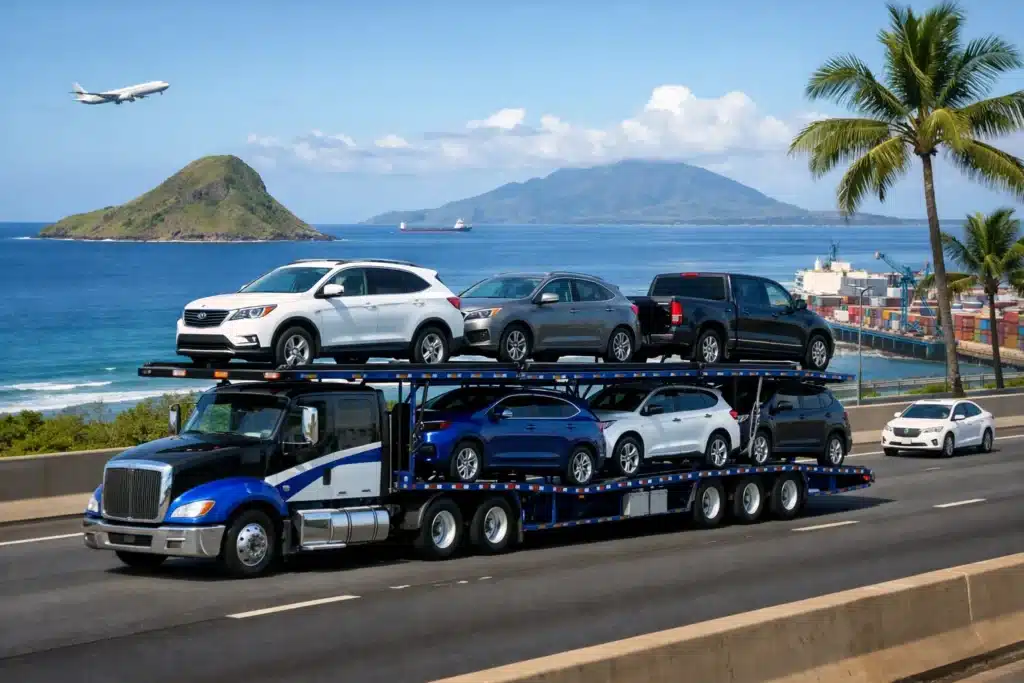
Shipping a vehicle to or from the islands is not the same as booking a routine mainland route. If you are looking for a hawaii car shipping company, you need a provider that understands port logistics, ocean schedules, paperwork, and the handoff between ground transport and vessel transport. That experience matters because one missed detail can create delays, confusion, or extra stress at the port.
For most customers, the goal is simple: get the vehicle moved safely, stay informed, and avoid surprises. Whether you are relocating, handling a military move, buying a car from the mainland, sending a student vehicle, or transporting a dealership unit, the right shipping partner should make the process clear from the first quote to final delivery.
What a Hawaii car shipping company actually does
A Hawaii vehicle move usually involves more than one leg of transport. Your car may be picked up at your home or business on the mainland, delivered to a port, loaded for ocean transport, and then released at the destination port or coordinated for onward delivery where available. In the reverse direction, the same applies when shipping from Hawaii back to the mainland.
That is why choosing a company is not just about finding someone who can move a car. You are trusting a logistics partner to coordinate timing, documents, inspections, and communication across multiple steps. A strong provider manages those handoffs carefully and keeps you updated so you know what is happening and what comes next.
For customers, this matters most when the shipment has a deadline tied to real life. Military PCS moves, college schedules, seasonal relocations, auction purchases, and dealership inventory transfers all come with timing pressure. A professional, FMCSA Licensed and Fully Insured transport coordinator helps reduce that pressure by setting clear expectations early.
How Hawaii vehicle shipping works
The process starts with the route. Are you shipping from California to Honolulu? From Texas to Oahu? From Maui to the mainland? The exact origin and destination affect the trucking leg, the port handling, and the transit timeline.
Next comes the transport method on the mainland side. Many standard vehicles move by open carrier because it is efficient and widely available. Enclosed transport may be a better fit for luxury, exotic, classic, or collector vehicles that need added protection during the over-the-road portion of the trip. The ocean leg follows port procedures, vessel scheduling, and documentation requirements.
Vehicle condition also matters. Running vehicles are simpler to load and unload, but a qualified company can also coordinate inoperable transport when the right equipment is arranged in advance. That is especially important for salvage units, auction vehicles, or project cars that cannot be driven onto a trailer or through port staging without special handling.
Customers are often surprised by how important preparation is. The vehicle inspection, title or registration documents, lienholder permissions when required, and port-specific rules can all affect whether the shipment moves on schedule. A responsive shipping company explains these requirements before pickup, not after a problem appears.
What affects cost and timing
There is no single flat rate for Hawaii shipping because each move is built around several factors. Distance on the mainland side is one of them. A car leaving from a West Coast port region will usually have a different price and timeline than a vehicle starting in the Midwest, South, or Northeast because inland carrier miles still have to be covered.
Vehicle size and type also influence the quote. A standard sedan takes up less room and weight capacity than a large SUV, lifted truck, van, or specialty vehicle. Motorcycles, boats, RVs, and heavy equipment involve different planning and equipment altogether.
Then there is timing. Expedited mainland transport may be possible in some cases, but port schedules and vessel availability still shape the overall transit window. That is why honest companies avoid unrealistic promises. The better approach is transparent scheduling with real updates, especially when weather, port congestion, or vessel timing affects the route.
Seasonality can play a role as well. Peak moving periods, military relocation cycles, and high-demand routes may affect availability. If your timeline is tight, booking earlier usually gives you better flexibility and a smoother planning window.
How to choose the right Hawaii car shipping company
A reliable Hawaii shipment starts with vetting the company, not just comparing numbers on a quote form. You want a transporter or broker that is properly licensed, bonded, and experienced with Hawaii moves. Ask whether they are FMCSA compliant, whether the shipment is Fully Insured, and how they handle communication during port and carrier handoffs.
Experience with Hawaii routes matters because island shipping has fewer shortcuts. A company that regularly coordinates these shipments will explain the process in plain language, outline what documents are required, and tell you what is expected before pickup and before port drop-off. That clarity is a strong sign that the operation is organized.
It also helps to ask practical questions. Will the vehicle go door-to-door on the mainland side where accessible? How are auction or non-running vehicles handled? What happens if the port requires a different check-in window than expected? Can you reach dispatch if you need an update? The answers tell you a lot about how the company supports customers once the order is booked.
For many customers, communication is the deciding factor. Shipping to Hawaii can feel more complex than a state-to-state move, so silence during the process quickly creates anxiety. A responsive team with 24/7 Dispatch support and clear status updates gives customers confidence that the move is being actively managed.
Common shipping scenarios to Hawaii and from Hawaii
Not every Hawaii shipment looks the same. A family relocating may need one or two personal vehicles shipped while working around travel dates. A service member managing a PCS move may need dependable coordination and straightforward paperwork guidance. A college student may simply need a practical, affordable way to have a car available on the island for the school year.
Commercial customers have different priorities. Dealerships may need inventory transferred efficiently. Online vehicle buyers may need help moving a purchased unit from auction or seller location to port. Repair facilities, body shops, and fleet managers may need transport for disabled or specialty vehicles where the equipment and scheduling details matter more than speed alone.
The right provider should be able to handle both standard and specialized cases without making the process feel complicated. That includes SUVs, trucks, motorcycles, EVs, classics, salvage vehicles, and inoperable units. When the company has a vetted carrier network and real port experience, unusual shipments become manageable instead of stressful.
Preparing your vehicle for transport
Good preparation helps avoid delays. In most cases, the vehicle should be clean enough for inspection, with personal items removed if the route or port rules require it. Fuel level instructions may vary by route and carrier requirements, so customers should follow the exact guidance provided for that shipment rather than guessing.
You should also be ready with the required documents and available to review condition reports at pickup and delivery or port release. If the vehicle is inoperable, disclose that upfront. If it has been purchased from Copart, IAA, Manheim, ACV, ADESA, or another auction, share those details early so the pickup and handling plan matches the actual vehicle condition and release process.
This is one area where an experienced coordinator earns their value. Instead of leaving you to figure out port rules on your own, they walk you through what is needed and when. That saves time and helps prevent avoidable rescheduling.
Why trust matters more than a cheap quote
A Hawaii shipment is a high-trust purchase. You are handing over a vehicle, a timeline, and in many cases a major life transition. The cheapest number on a screen does not tell you how well the company communicates, whether the move is coordinated properly, or how issues are handled if the route changes.
What most customers really want is reliability. They want a company that explains the process, answers the phone, works with professional carriers, and keeps the shipment moving with attention to detail. That is where a customer-first transport team stands apart.
DQ Trans LLC coordinates safe, door-to-door vehicle shipping nationwide, including Hawaii routes, with a focus on transparent communication, vetted carriers, and fully insured transport. For customers shipping a family car, auction purchase, motorcycle, truck, or specialty vehicle, that kind of support can make the entire process feel more controlled.
When you are choosing a hawaii car shipping company, look for clear answers, real logistics experience, and a team that treats your shipment like it matters. The smoother the planning is at the start, the easier the rest of the move usually becomes.