
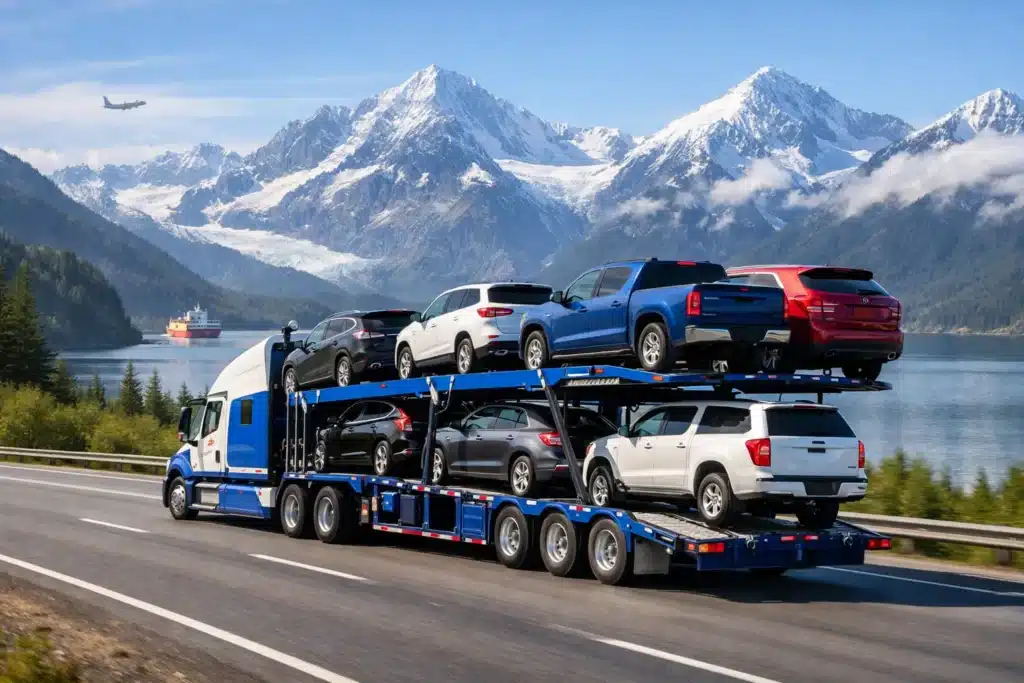
Getting a vehicle to or from Alaska is not the same as shipping a car between neighboring states. Water routes, port schedules, weather, and limited carrier capacity all affect timing and planning. That is why choosing the right alaska auto transport service matters – not just for price, but for reliability, communication, and peace of mind.
For many customers, the biggest stress comes from not knowing how the process works. They may be relocating for military orders, sending a student vehicle north, buying a car from the mainland, or moving a truck out of Alaska for the season. In each case, the goal is the same: safe, fully insured transport handled by a company that understands the logistics from pickup to delivery.
How alaska auto transport service works
Alaska vehicle shipping usually combines over-the-road transport with ocean transport. If your vehicle starts in the lower 48, it may first be picked up by a carrier and moved to a port. From there, it is loaded for shipment to Alaska. The reverse is also true for vehicles leaving Alaska and heading to the mainland.
That combination is what makes the process different from a standard state-to-state move. It is not just about assigning a truck. It also requires coordination with port schedules, documentation, loading windows, and final delivery planning once the vehicle reaches its destination area.
Door-to-door service is often available, but it depends on location and access. In more remote areas, customers may need to meet near a safe, accessible point or use port-to-door coordination. A professional transport team will explain that upfront so there are no surprises.
What affects timing and cost
No honest transporter should treat Alaska shipping like a flat, one-size-fits-all route. The final quote and estimated timeline depend on several real-world factors.
The first is your route. Shipping from Seattle to Anchorage is a different move than arranging pickup in Florida, transferring through a port, and delivering into Alaska. Longer inland mileage adds cost and planning time.
The second is vehicle type. A standard sedan is simpler to load and route than a lifted truck, oversized SUV, motorcycle, or inoperable vehicle. Larger dimensions, added weight, and special handling can change the equipment needed.
The third is transport method. Open transport is the most common choice and usually the more economical option. Enclosed transport offers added protection for luxury, exotic, classic, or collector vehicles. For some customers, that extra protection is worth it. For others, open shipping is the practical fit.
Seasonality also matters. Alaska routes can tighten during peak relocation periods, military PCS season, and times of harsher weather. That does not mean shipping stops. It means planning ahead becomes more important, especially if you want the most flexible scheduling options.
Open vs enclosed transport for Alaska shipping
Open transport works well for most daily drivers, SUVs, and pickup trucks. It is efficient, widely used, and cost-effective for customers who want safe, insured transportation without paying for a premium equipment upgrade.
Enclosed transport is a smart choice when the vehicle itself justifies the added care. If you are shipping a classic car, a high-value luxury model, or a specialty vehicle with a custom finish, enclosed service provides more protection from road debris and outside exposure during the land portion of the trip.
The right option depends on the vehicle, your budget, and your comfort level. A trustworthy company should explain both choices clearly instead of pushing one option on every customer.
Alaska shipping for different customer needs
Alaska routes serve a wide mix of customers, and each one comes with a slightly different priority.
Military families often need dependable coordination and responsive updates during a PCS move. Timing matters, but clarity matters just as much. College students and parents usually want a straightforward process that avoids the wear of a long-distance drive. Seniors and relocating families often value simplicity, support, and clear communication at every step.
Online car buyers, dealerships, and auction customers may need help with port delivery, paperwork coordination, or pickup from facilities such as Copart, IAA, Manheim, ACV, or ADESA. In those cases, experience matters. Auction vehicles, including non-running or salvage units, may require specialized loading equipment and more careful dispatch planning.
Commercial clients may be shipping fleet vehicles, service trucks, or specialty equipment. Their focus is usually consistency, documentation, and minimal disruption. The best alaska auto transport service for a retail customer and the best one for a business are often the same at the core: licensed, organized, communicative, and fully insured.
What to look for in an alaska auto transport service
Trust is everything in auto transport, especially on a route involving both land and sea. Customers should look for a company that is FMCSA licensed, bonded, and clear about how the move will be handled.
Communication is a major sign of quality. If a transporter is difficult to reach before booking, that usually does not improve once the vehicle is in transit. A dependable provider should explain the route, the transport type, the expected process, and any location limitations in plain language.
Insurance is another key factor. Your vehicle should be transported by a fully insured carrier, and the company coordinating the shipment should be transparent about coverage and inspection procedures. That does not mean making legal promises or using vague language. It means answering practical questions clearly.
Customers should also ask whether the company has experience with Alaska-specific logistics, port coordination, and special vehicle types. That includes oversized trucks, motorcycles, inoperable units, and high-value vehicles. A route this specialized is not the place for guesswork.
How to prepare your vehicle for transport
Preparation does not need to be complicated, but it does help the process move smoothly. The vehicle should be available on time, reasonably clean for inspection, and accessible for pickup or drop-off. Standard transport preparation may also include making sure the vehicle can roll, steer, and brake unless it is booked as inoperable.
If the vehicle has modifications, oversized tires, low ground clearance, or mechanical issues that affect loading, those details should be shared before dispatch. Accurate information helps avoid delays and ensures the right carrier is assigned.
It is also smart to remove personal items that are not part of the vehicle itself. Auto transport is designed for vehicle shipping, not household goods. Keeping the unit clear supports a cleaner, safer transport process.
Why planning ahead pays off
Alaska shipping can absolutely be handled on shorter notice in some cases, especially with responsive dispatch support. Still, earlier planning usually gives customers more flexibility with scheduling, route coordination, and equipment availability.
This is especially true for seasonal relocations, military moves, and peak summer demand. Waiting until the last minute can narrow options. Planning ahead does not guarantee an exact pickup or delivery date, but it does improve the odds of a smoother experience.
Customers often feel better once they understand that timing in Alaska shipping is based on real logistics, not vague promises. Port operations, weather, and route availability all play a role. A professional company explains those variables upfront and keeps communication steady throughout the move.
A better shipping experience starts with the right team
The best Alaska transport experience is not just about getting a vehicle from one place to another. It is about knowing your shipment is being handled by professionals who understand the route, communicate clearly, and treat your time and vehicle with respect.
That is where working with an experienced provider makes a difference. DQ Trans LLC coordinates fully insured, door-to-door vehicle shipping across all 50 states, including Alaska, using vetted carriers and responsive dispatch support. Whether you are shipping a family car, motorcycle, pickup truck, auction vehicle, or specialty unit, the process should feel organized from the first quote to final delivery.
If you are planning an Alaska vehicle shipment, the smartest next step is simple: work with a company that explains the route clearly, sets realistic expectations, and stays responsive the whole way. That kind of service does more than move a vehicle – it gives you one less thing to worry about.