
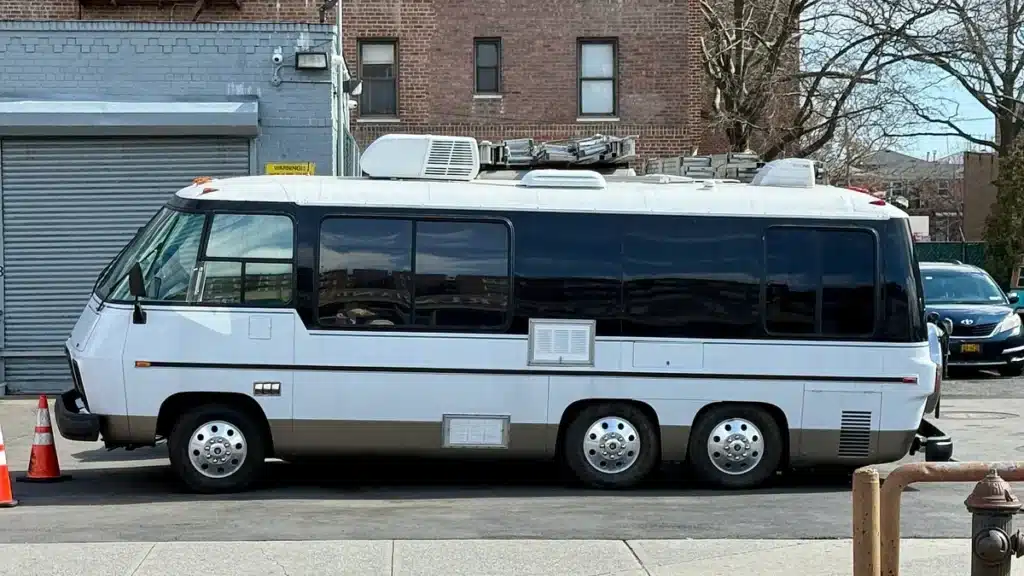
A cross-country RV move should not begin with worrying about low bridges, carrier availability, or whether your motorhome will arrive in the same condition it left. A professional RV relocation service gives owners a controlled way to move a travel trailer, fifth wheel, camper, or motorhome without adding hundreds or thousands of miles to the odometer.
Whether you are relocating for a military PCS move, heading south for the season, buying an RV from another state, or arranging a dealership transfer, the right transport plan makes a major difference. DQ Trans LLC coordinates nationwide RV transportation with vetted professional carriers, responsive communication, and door-to-door service whenever access allows.
What an RV Relocation Service Handles
RV transportation is more specialized than shipping a standard passenger vehicle. Size, height, weight, hitch type, road access, route restrictions, and pickup conditions all affect how the move should be handled. A reliable coordinator gathers those details upfront, then matches the RV with a carrier equipped for that specific shipment.
For towable RVs, such as travel trailers, pop-up campers, and fifth wheels, the carrier may use a properly rated tow vehicle and compatible hitch setup. Motorhomes may be driven by a qualified professional or transported using the appropriate commercial equipment, depending on the RV’s dimensions, condition, distance, and the available service option. The right method depends on the unit, not a one-size-fits-all approach.
A full-service coordination process also includes carrier scheduling, pickup and delivery communication, condition documentation, and dispatch support while the RV is in transit. This removes the burden of sorting through logistics alone while keeping you informed about the next step.
When Professional RV Transport Makes Sense
Driving an RV long distance can be part of the adventure, but it is not always the most practical option. Owners often choose transport when time is limited, the route is unfamiliar, or the RV needs to reach a destination without adding road mileage.
Snowbirds commonly use RV relocation services to move between seasonal destinations without making the full drive each way. Families relocating across state lines may need their RV delivered near a new residence, campground, or storage facility. Military members facing a PCS move may need a dependable option that fits a demanding schedule. Dealerships, buyers, and sellers also use professional transport for inventory transfers and out-of-state RV purchases.
It can be especially helpful when the RV is not suited for a long road trip, when the owner cannot travel with it, or when a towable unit requires equipment that is not available locally. Transport does not eliminate every planning step, but it replaces a complicated journey with a managed shipping process.
Choosing the Right RV Relocation Service
Experience matters, but clear communication matters just as much. Before booking, provide accurate details about your RV so the transport plan is based on real requirements rather than assumptions. Small errors in length, height, weight, or hitch information can affect carrier selection and scheduling.
A dependable provider should explain what information is needed, what transport method is being arranged, and how pickup and delivery coordination will work. Look for a company that works with professional carriers, maintains FMCSA compliance, and gives you a clear point of contact throughout the move.
Ask how condition inspections are documented at pickup and delivery. A standard inspection report creates a shared record of the RV’s visible condition before transit and upon arrival. You should also understand the carrier’s cargo coverage information before shipment begins. Clear answers and written details help set realistic expectations.
Price is naturally part of the decision, but it should not be the only factor. RV transport pricing can change based on distance, dimensions, season, route demand, equipment needs, and pickup or delivery accessibility. An unusually low quote may not reflect the actual requirements of the shipment. The goal is a properly planned move with a qualified carrier, not a number that creates problems later.
Information Needed for an Accurate RV Transport Quote
An accurate quote starts with accurate RV details. The more complete the information, the better a transport coordinator can match your unit with the right carrier and route.
Have the year, make, model, overall length, approximate height, and weight available. For towable units, confirm the hitch type, whether the tires hold air, and whether the trailer is safe to roll and tow. For motorhomes, share whether the unit is operational and disclose any access limitations at the pickup or delivery location.
Addresses matter as much as RV specifications. Large commercial carriers need room to turn, load, and depart safely. Narrow residential streets, low-hanging trees, tight gates, steep driveways, or restricted communities can make direct curbside service impractical. In those cases, the driver may coordinate a nearby open parking lot, truck stop, or other safe meeting location. This is still a convenient solution, and it helps protect the RV, the carrier, and the surrounding property.
Preparing Your RV for Transport
Preparation helps avoid delays and gives the carrier a safer, more efficient pickup. Your RV should be accessible at the agreed location, with the route to it clear enough for commercial equipment where applicable.
Before pickup, remove or secure loose exterior items such as portable steps, awnings, antennas, bike racks, and accessories that could shift during transit. Close and latch all doors, windows, compartments, and slide-outs. For towable RVs, ensure the hitch area is accessible and provide keys for locked compartments if they are required for loading or inspection.
Take current photos from multiple angles and keep a copy for your records. The carrier will complete a pickup inspection, but your own photos provide an additional time-stamped reference. If you are not available in person, designate an authorized adult who can meet the driver, review the inspection, and release the RV for transport.
Avoid using the RV as a container for personal belongings. Carriers are transporting the RV itself, and unsecured items can shift, cause damage, or create loading concerns. Keep the unit ready for transportation rather than treating it as extra cargo space.
What to Expect From Pickup Through Delivery
Once a carrier is assigned, the dispatch team coordinates pickup details with you and the driver. Timing is influenced by the route, weather, traffic, carrier hours, and loading conditions, so communication is essential. A professional service provides updates as the shipment progresses and helps coordinate any changes that need attention.
At pickup, the driver performs a condition inspection with you or your authorized representative. Existing marks, scratches, or visible issues are noted on the inspection report before the RV is loaded or connected for transport. Review this document carefully and retain your copy.
During transit, the carrier follows the planned route while accounting for commercial vehicle restrictions and safe access. RV shipments can require more route planning than standard vehicles because dimensions and towing requirements affect where equipment can travel. This is one reason specialized coordination is worth the investment.
At delivery, inspect the RV before signing the final paperwork. Compare its visible condition with the pickup report and your pre-shipment photos. If you have questions, raise them while the driver is present so they can be documented appropriately. A careful final inspection is a normal part of a professional transport process.
Nationwide RV Transport With Less Stress
From Florida to Colorado, California to New York, and across the continental United States, RV owners need transportation that fits real schedules and real equipment requirements. Some moves involve a short regional transfer; others require coast-to-coast coordination or service connected to Alaska, Hawaii, or Puerto Rico. Each route has its own logistics, and the transport plan should reflect that.
The strongest RV relocation service is not simply a booking transaction. It is a coordinated process built around accurate information, qualified carriers, honest expectations, and consistent support. When your RV is ready to move, provide complete details early, confirm the plan in writing, and choose a team that treats your unit with the care a significant investment deserves.
Featured image: Oleg Yunakov via Wikimedia Commons, licensed under CC BY-SA 4.0.