
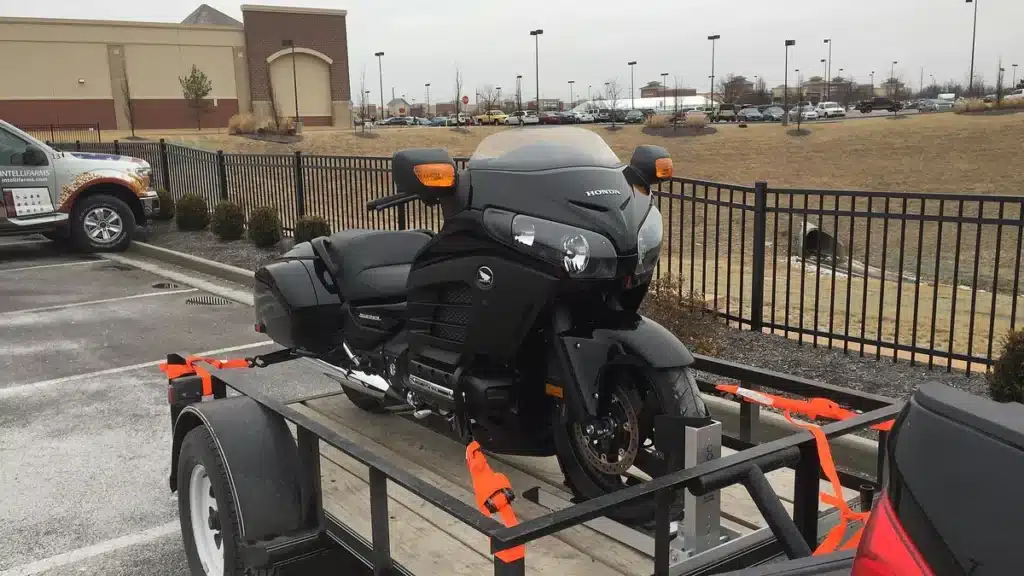
A motorcycle is not just another vehicle. It may be your daily ride, a hard-won collector bike, a race-ready machine, or the key to enjoying a new city or seasonal destination. Choosing the right motorcycle shipping company means knowing who is coordinating the move, how your bike will be handled, and what communication you can expect from pickup through delivery.
For a cross-country purchase, military PCS relocation, college move, auction pickup, or seasonal trip, professional transport saves mileage and avoids a long ride through uncertain weather. The goal is not simply to get the motorcycle from point A to point B. It is to have a clear, controlled process with properly equipped carriers and support when plans change.
What a Motorcycle Shipping Company Should Handle
A qualified transport provider should make the logistics easier, not leave you chasing updates or guessing what happens next. The process normally begins with a quote based on the motorcycle type, pickup and delivery locations, transport method, running condition, and timing needs. Larger touring motorcycles, custom builds, trikes, and low-clearance bikes may require added planning because of their size, weight, or securement requirements.
Once transportation is arranged, the company coordinates a professional carrier that can safely load and haul the bike. Door-to-door service is often the most convenient option, though the carrier may request a nearby accessible meeting point when residential streets have low branches, narrow turns, HOA restrictions, or limited room for a large truck. A good coordinator explains this early so pickup day does not become a surprise.
At delivery, the driver and customer inspect the motorcycle and complete the condition report. This documentation matters because it creates a clear record of the bike’s condition before and after transport.
DQ Trans LLC coordinates nationwide motorcycle transport through a vetted carrier network, with responsive dispatch support and service across the continental United States, Alaska, Hawaii, and Puerto Rico.
Open vs. Enclosed Motorcycle Transport
The first major choice is whether to ship in an open or enclosed trailer. Neither option is automatically right for every rider. The best fit depends on the motorcycle, route, season, budget, and your preference for protection.
Open transport
Open motorcycle transport places the bike on a specialized trailer that is exposed to normal road and weather conditions. It is a practical choice for many standard motorcycles and can offer broader carrier availability on popular routes. Professional carriers use secure tie-down procedures and equipment designed for motorcycle loading.
The trade-off is exposure. Rain, dust, and road grime are possible during transit, just as they would be during a ride. Open transport can make sense when cost and scheduling flexibility are priorities and the bike is built for regular use.
Enclosed transport
Enclosed shipping keeps the motorcycle inside a covered trailer, away from weather and most road debris. It is often preferred for luxury, classic, exotic, custom, vintage, or show motorcycles. It can also be a smart choice for long routes, winter shipping, or bikes with delicate finishes and aftermarket components.
Enclosed service generally costs more because equipment availability is more limited and the added protection carries a premium. For many owners, that additional cost is worthwhile. For others, open transport provides the right balance of care and value.
Questions to Ask Before Booking Motorcycle Shipping
Price matters, but a quote alone does not tell you whether the transport plan is sound. Ask how the motorcycle will be transported, whether the carrier is equipped for bikes, and what pickup and delivery communication will look like. A clear answer is usually a good sign that the provider understands the job.
You should also ask whether the company is FMCSA licensed and bonded, how carrier credentials are reviewed, and how cargo coverage is handled during transport. Request that the quote identify the service type and any details that could affect the final price, such as an inoperable motorcycle, a nonstandard pickup location, oversized dimensions, or expedited timing.
A transparent provider will also explain that estimated pickup and delivery windows can be affected by route demand, traffic, weather, carrier hours-of-service requirements, and loading conditions. Responsible transport planning focuses on realistic communication rather than promises that do not account for the road.
Prepare Your Motorcycle for Pickup
Preparation helps the carrier load safely and helps protect you from confusion at delivery. The motorcycle should be accessible, with a charged battery and keys available unless other arrangements have been made. If it does not run, tell the transport coordinator before booking. Non-running motorcycles can often be moved, but they may require specific loading equipment and additional carrier planning.
Before the driver arrives, take dated photos from all sides in good lighting. Photograph close-ups of existing scratches, dents, cracked fairings, or other visible condition details. Remove loose accessories and personal items that could shift, detach, or create questions during inspection.
For a smooth handoff, complete these essential steps:
- Keep the fuel level low, usually around one-quarter tank or less.
- Disable alarms that could activate during transport.
- Check that tires hold air and that the handlebars can be positioned for loading.
- Provide the key and any needed starting or access instructions.
- Confirm the pickup contact’s phone number and availability.
Do not assume a carrier can transport helmets, luggage, tools, or personal belongings with the motorcycle. Policies and capacity vary, and unsecured items can complicate safe loading. Ask your coordinator in advance if you have an item that needs to be discussed.
Understanding Pickup, Transit, and Delivery
Most motorcycle transport follows a simple sequence, but knowing the details reduces stress. After booking, dispatch works to match the shipment with a qualified carrier traveling your route. When a carrier is assigned, you should receive pickup coordination information and a call or message as the driver approaches the scheduled window.
At pickup, inspect the bike with the driver. The condition report, often called a bill of lading, records visible condition before loading. Read it carefully and keep your copy. The motorcycle is then secured using appropriate tie-down points and equipment to minimize movement in transit.
During transport, communication should remain straightforward. A reputable motorcycle shipping company should provide a practical point of contact for status questions rather than leaving you to track down the driver without support. If a route delay occurs, clear updates matter more than vague reassurances.
At delivery, inspect the motorcycle before signing the final paperwork. Compare its condition with your pickup photos and the original inspection report. If you notice a concern, document it on the delivery paperwork while the driver is present and contact the transport coordinator promptly for next steps.
When Specialized Motorcycle Shipping Matters
Some bikes need more than a standard booking. A lowered motorcycle may require careful loading angles. A trike needs appropriate space and securement. A custom chopper, sidecar rig, race bike, or vintage motorcycle may benefit from enclosed service and a carrier experienced with specialty equipment.
The same applies to auction and marketplace purchases. If you bought a motorcycle through an auction, confirm the release requirements, pickup hours, lot number, and whether the bike runs. Auction facilities can have strict pickup procedures, and complete information helps avoid delays or unnecessary storage charges.
Shipping to or from Hawaii, Alaska, and Puerto Rico involves additional port coordination and longer planning timelines than mainland routes. A transport provider experienced with these moves can explain the handoff points, documentation requirements, and timing expectations before the shipment begins.
Choose Clarity Over the Cheapest Quote
A very low quote can be tempting, especially when you are comparing several options. But motorcycle transportation is a service built on equipment, route availability, experienced drivers, and careful coordination. The better question is whether the quote reflects the motorcycle you have, the route you need, and the level of protection you expect.
Look for a company that explains the process in plain language, confirms the important details before dispatch, and stays available when you need an answer. With the right transport plan, your motorcycle arrives ready for the next ride, while you avoid adding unnecessary miles, weather exposure, and uncertainty to the journey.
Featured image: MickOhrberg via Wikimedia Commons, licensed under CC BY-SA 4.0.