
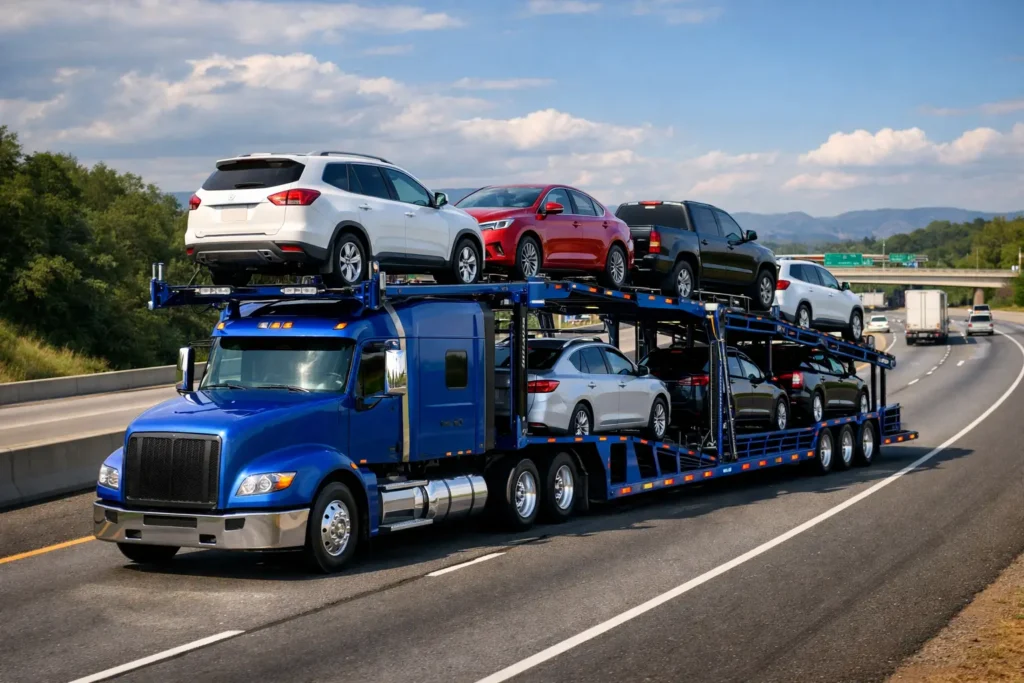
A vehicle shipment can look simple until pickup details, carrier availability, insurance documentation, and delivery access all need to line up. Choosing an FMCSA licensed auto transport company gives you a meaningful starting point, especially when your car, motorcycle, RV, boat, or equipment is traveling across state lines. But licensing is only one part of a reliable shipping experience. The right provider should also communicate clearly, coordinate qualified carriers, and make the process feel organized from quote to delivery.
What FMCSA Licensing Means for Auto Transport
The Federal Motor Carrier Safety Administration, or FMCSA, regulates interstate commercial transportation. Auto transport providers that arrange or perform vehicle shipping across state lines must operate under the appropriate federal authority. This authority helps identify whether a company is authorized to conduct business in the role it represents, such as a motor carrier or transportation broker.
For customers, that matters because auto shipping is a high-trust service. You are handing over a valuable vehicle, often on a tight relocation schedule or after an auction purchase. A company that is transparent about its operating authority, business identity, and service process gives you a stronger foundation for making an informed decision.
FMCSA licensing does not mean every shipment will follow the exact same timeline. Weather, traffic, carrier routing, vehicle condition, and pickup or delivery access can all affect transportation. What it does mean is that you have a clear, verifiable starting point when evaluating an auto transport provider.
How to Verify an FMCSA Licensed Auto Transport Company
Before booking, ask for the company’s USDOT number and MC number, then confirm that the business name matches the company you are speaking with. A professional provider should be prepared to explain whether it operates as a carrier, a broker, or both, and what that means for your shipment.
A carrier owns or operates the truck that physically transports the vehicle. A broker coordinates transportation through authorized carriers. Both can play an important role in the shipping process, but customers should understand who is arranging the move, who will pick up the vehicle, and who will be the point of contact if plans change.
You should also review the quote carefully. A clear quote identifies the type of vehicle, pickup and delivery locations, transport method, and any conditions that may affect the rate. For example, an inoperable vehicle, a lifted truck, an oversized SUV, or a vehicle at a restricted-access location may require additional planning. Accurate information upfront helps prevent avoidable delays and confusion later.
Licensing Is the Beginning, Not the Whole Decision
A license is essential, but it should not be the only reason you choose a transport company. The practical details of coordination matter just as much. A dependable provider asks the right questions before assigning a carrier: Is the vehicle running? Are there modifications? Is it located at a Copart, IAA, Manheim, ACV Auctions, or ADESA location? Is the destination accessible for a large transport truck?
These questions are not obstacles. They help match your shipment with the right equipment and carrier plan. Open transport is the most common option for standard cars, SUVs, and trucks. Enclosed transport is often preferred for luxury, exotic, classic, collector, and high-value vehicles that need added protection from road exposure. Expedited service can be useful when timing is more sensitive, although it depends on route availability and carrier scheduling.
The same attention applies to specialty shipments. Motorcycles require proper securement. RVs and boats need equipment suited to their dimensions and transport requirements. Heavy equipment may need specialized trailers and loading arrangements. A company that understands these differences can coordinate a more appropriate shipment instead of treating every vehicle as a standard sedan.
Clear Communication Reduces Shipping Stress
Reliable communication is one of the strongest signs of a customer-focused auto transport company. You should know what happens after you accept a quote, when a carrier is assigned, how pickup is coordinated, and what to expect at delivery.
Pickup and delivery windows are more realistic than promises of exact dates. Transport trucks operate across long routes and must account for road conditions, loading times, required rest periods, and safe access to each location. A responsive coordinator will keep you informed as the shipment progresses and help arrange a nearby meeting point when a residential street cannot safely accommodate a large carrier.
For military PCS customers, college students, snowbirds, seniors, and relocating families, this level of support can make a major difference. The vehicle may be one of many moving parts in a transition, and customers need direct answers rather than vague updates. For dealerships, fleets, repair facilities, and auction buyers, communication also supports better planning around inventory, storage deadlines, and receiving hours.
Insurance and Vehicle Condition Documentation
Ask how cargo coverage is handled for the carrier assigned to your shipment and request the information you need before pickup. Professional transport coordination includes working with properly insured carriers and making sure the shipping process is documented clearly.
At pickup, the driver typically completes a vehicle condition report, often called a bill of lading. Review it with the driver and note existing cosmetic damage, such as scratches, dents, or cracked glass. Taking date-stamped photos before loading is also a practical step. This creates a consistent record for both pickup and delivery.
Remove personal belongings and loose accessories from the vehicle unless your transport coordinator has specifically confirmed otherwise. Personal items can add weight, shift during transit, and create complications during inspection. Keep the fuel level low enough for safe loading and unloading, and make sure the driver can access the keys and any necessary starting instructions.
When Door-to-Door Service May Look Different
Door-to-door auto transport means the carrier will make every reasonable effort to pick up and deliver as close to your requested addresses as safely and legally possible. It does not always mean a full-size transport truck can enter every neighborhood, apartment complex, auction lot, or rural road.
Low tree branches, narrow streets, sharp turns, local restrictions, and limited parking can make direct access unsafe. In those cases, a nearby wide street, shopping center, or truck-friendly meeting location may be the best solution. Flexible coordination protects the vehicle, the carrier, and the surrounding property while keeping the handoff efficient.
This is especially relevant for urban deliveries, gated communities, and locations in Hawaii, Alaska, or Puerto Rico where port schedules and local logistics can add extra steps. A knowledgeable coordinator will explain the available options early so you can prepare with confidence.
Questions Worth Asking Before You Book
The best questions are straightforward. Ask whether the company is FMCSA licensed, whether it is acting as a broker or carrier for your shipment, and how carrier insurance is verified. Ask what details could change the quote, what transport method is recommended for your vehicle, and how updates will be provided.
It is also smart to ask about the pickup location. Auction vehicles, salvage vehicles, and non-running vehicles often require more than a standard pickup. The carrier may need a winch, advance release documents, specific lot information, or confirmation of operating condition. Sharing these details early helps avoid failed pickup attempts.
Be cautious of a quote that seems disconnected from your vehicle’s actual needs. Shipping cost is influenced by distance, route demand, vehicle size, transport type, operational condition, seasonal demand, and pickup or delivery flexibility. A transparent explanation is more valuable than a number that leaves out important shipment details.
A More Confident Way to Ship Your Vehicle
DQ Trans LLC coordinates nationwide vehicle transportation through a carefully vetted network of professional carriers, supporting standard vehicles, specialty vehicles, auction purchases, and inoperable units. Our team helps customers understand the process before dispatch, provides responsive updates, and works to arrange safe door-to-door service across all 50 states, including Alaska, Hawaii, and Puerto Rico.
The right auto transport partner does more than provide a quote. They help you prepare the correct shipment details, match the vehicle with an appropriate carrier option, and stay available when questions arise. Start with FMCSA authority, then choose the company that gives you clear answers and a shipping plan you can trust.