
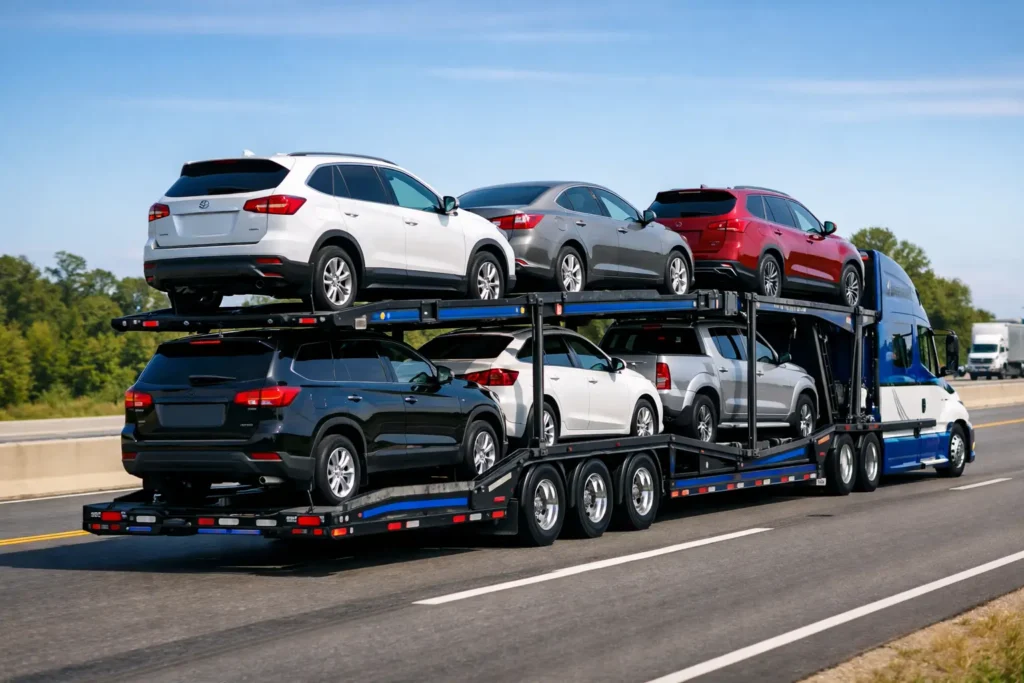
A car shipping calculator guide should do more than produce a number on a screen. It should help you understand what your vehicle needs, what affects the rate, and whether the transport plan fits your timing. For a family relocation, military PCS, auction purchase, dealership transfer, or seasonal move, a useful estimate is the first step toward a controlled, fully insured shipping experience.
Online calculators are designed to provide a fast starting estimate based on the route, vehicle, and service preferences you enter. Final pricing can change when important details are missing or when carrier availability shifts. Knowing which details matter before you request a quote helps prevent surprises and makes it easier to choose the right transport option.
How a Car Shipping Calculator Builds an Estimate
A shipping calculator combines several operational details to estimate the cost of moving a vehicle from pickup to delivery. Distance matters, but it is only one part of the calculation. A short route with limited carrier demand can sometimes cost more per mile than a longer, heavily traveled route.
The pickup and delivery locations are the foundation. Major metro areas and common interstate corridors generally offer more carrier activity than remote locations, islands, mountain communities, or rural roads. For Hawaii, Alaska, and Puerto Rico shipments, the estimate may also account for port coordination and the requirements of the ocean transport segment.
Your vehicle information is equally important. A standard sedan takes less space and weight capacity than a full-size truck, oversized SUV, RV, or specialty vehicle. Accurate year, make, model, and vehicle condition allow the transport coordinator to match your shipment with equipment that can safely handle it.
Timing affects the quote as well. A flexible pickup window gives dispatch more opportunity to locate a carrier traveling your route. A tighter schedule may require expedited service or a higher carrier payment to prioritize the vehicle. Weather, seasonal demand, road conditions, and regional traffic patterns can also affect availability.
The Details That Change Your Car Shipping Calculator Quote
When using a calculator, enter the most complete information available. A quote based on incomplete details may look attractive initially but may need to be revised once the actual shipment requirements are confirmed.
Open or enclosed transport
Open auto transport is the most common option for daily drivers, dealer inventory, and many standard vehicle shipments. Vehicles are loaded onto an open carrier and professionally secured for highway transportation. It is typically the most cost-effective choice because carriers can move multiple vehicles on one trailer.
Enclosed transport provides added protection from road debris and weather exposure. It is often selected for luxury, exotic, classic, collector, or high-value vehicles. Enclosed trailers have more limited capacity and availability, so the price is usually higher. The right choice depends on the vehicle, your protection preferences, and the route.
Running versus inoperable condition
A vehicle that starts, steers, brakes, and rolls can be loaded using standard equipment. An inoperable vehicle often requires a winch, additional loading time, or specialized planning. This is especially relevant for salvage, rebuilt, collision-damaged, or auction vehicles purchased through Copart, IAA, Manheim, ACV Auctions, or ADESA.
Be direct about the condition. A carrier needs the right equipment before arrival, and accurate disclosure helps avoid delays at pickup. If the vehicle has limited ground clearance, missing wheels, locked steering, or other loading limitations, provide those details when requesting the estimate.
Vehicle size and modifications
Lifted trucks, extended vans, oversized SUVs, and vehicles with aftermarket modifications may require additional trailer space or a specific loading position. Roof racks, wide tires, oversized bumpers, and low front splitters can all affect how a carrier plans the load.
The calculator may ask only for the make and model, but a transport specialist may need further details. A clear description and recent photos can help confirm the right equipment before dispatch.
Pickup and delivery access
Door-to-door transport means the carrier attempts to pick up and deliver as close to your addresses as safely and legally possible. Large auto transport trucks need room to turn, clear overhead obstacles, and comply with local parking restrictions. Narrow residential streets, gated communities, low-hanging branches, and busy city centers may require a nearby meeting location.
This is not a reduction in service. It is practical route planning that protects your vehicle, the carrier, and the surrounding property. A good quote accounts for access realities early instead of discovering them on pickup day.
What a Calculator Cannot Tell You by Itself
An instant estimate is useful, but it is not a full dispatch plan. The calculator cannot always see current truck capacity, abrupt weather disruptions, road closures, or the exact loading configuration a carrier will use on a particular route.
It also cannot replace a review of special requirements. Motorcycle shipping, boat transport, RV transport, and heavy equipment hauling often need different equipment, measurements, or securement plans than a standard passenger car. The same applies to vehicles leaving an auction yard, port, repair facility, or storage lot with release procedures and operating-hour restrictions.
For this reason, the strongest quotes are confirmed by a knowledgeable coordinator who reviews the shipment details with you. At DQ Trans LLC, that process is built around carrier vetting, clear communication, and planning transportation that fits the vehicle and route rather than forcing a generic estimate onto a specialized shipment.
How to Use an Estimate to Compare Transport Options
Start by comparing like for like. An open transport estimate should be measured against another open transport estimate with the same pickup window, route, and vehicle condition. If one quote includes enclosed service, expedited handling, or inoperable loading, it is addressing a different level of service.
Ask what the price is based on and whether the vehicle details, locations, and requested timeframe have been confirmed. You should also understand whether the quote reflects standard dispatch timing or an expedited request. Clear answers matter more than vague assurances because auto transport is a live logistics service shaped by route demand and carrier capacity.
A practical quote should identify the transport method, vehicle condition, origin and destination, and any special handling needs. It should also explain the next steps after booking, including how pickup coordination and delivery communication will work. Fully insured transport and FMCSA-compliant carrier coordination are essential confidence factors, particularly when shipping a valuable, classic, or newly purchased vehicle.
Preparing Information Before You Request a Quote
You do not need every detail before using a calculator, but having the essentials ready produces a more useful number. Provide complete pickup and delivery ZIP codes, the exact vehicle year, make, and model, whether it runs, and your preferred shipping timeframe. If you are buying from an auction or dealership, confirm the release date, lot number if applicable, contact information, and any pickup rules.
For specialty vehicles, mention low clearance, modifications, unusual dimensions, or loading limitations upfront. For port shipments, make sure the vehicle and release information are ready before dispatch planning begins. These details allow a coordinator to arrange the correct carrier rather than revising the shipment after it has already entered the scheduling process.
Before pickup, remove personal items, document the vehicle’s exterior condition with photos, and keep the fuel level low enough for safe loading. Have a reachable phone number available during the pickup window so the driver or dispatch team can coordinate access. Those simple steps keep the process moving and protect the accuracy of the plan.
Common Car Shipping Calculator Questions
Is the first estimate the final price?
Sometimes it can be, especially when the route, vehicle, condition, and schedule are straightforward and fully disclosed. However, estimates may need adjustment if the vehicle is inoperable, larger than listed, difficult to access, or requested on a tighter timeframe than originally entered. Confirmation after a shipment review is the best way to understand the current transport plan.
Why do dates affect vehicle shipping cost?
Carriers plan routes around available loads, legal driving hours, and trailer capacity. Flexibility gives dispatch more options. When pickup or delivery needs to happen within a narrow window, a higher rate may be needed to secure a carrier whose route and timing align with the request.
Should I choose open or enclosed transport?
For most standard vehicles, open transport offers dependable, professional nationwide shipping at a practical price. Enclosed transport is a strong option when added protection is a priority for luxury, exotic, classic, collector, or low-clearance vehicles. The decision should reflect the vehicle’s needs and your comfort level, not just the first price displayed.
A calculator can start the conversation, but a well-planned shipment is what delivers peace of mind. Enter accurate details, ask clear questions, and work with a responsive transport team that treats your vehicle and schedule with the care they deserve.