
Quick answer
Shipping a motorcycle across country means booking a carrier to secure the bike on a trailer, in a crate or on a pallet and move it between distant states, door to door or terminal to terminal.
For budgeting, open motorcycle transport runs about $180 to $300 for trips under 1,000 miles and $300 to $700 for longer trips (uShip).
A cross-country ride sounds great until you count the days off work, the weather windows and the wear on your tires. If you are moving, buying a bike out of state or heading to a rally, riding it there is not always practical.
Motorcycle shipping has become a routine service, and most auto carriers now handle bikes with wheel chocks and soft straps. The process differs from car shipping in a few important ways.
This guide explains how to ship a motorcycle across country: the transport options, typical costs, how to prepare the bike and what to check at delivery. You will know what to ask before you book.
How do you ship a motorcycle across country?
You choose a transport method, book a carrier through a broker or directly, prepare the bike, and inspect it with the driver at pickup and delivery. The process takes five steps.
- Gather details. Year, make, model, approximate weight, and whether it runs.
- Pick a method. Open trailer, enclosed trailer or crate.
- Request quotes. Confirm the price includes securing equipment and insurance.
- Prepare the bike. Clean it, photograph it and remove loose gear.
- Inspect and sign. Record condition on the bill of lading at both ends.
Federal law requires carriers to issue a receipt or bill of lading for property they receive (49 U.S.C. 14706). For a bike, that inspection should include the tank, fairings, mirrors and exhaust. The first real decision is which method to choose.
What are the options for motorcycle transport?
The three main options are open trailer, enclosed trailer and crated shipping, and each balances price, protection and handling differently. Most cross-country bikes travel on open or enclosed trailers.
| Method | How it works | Best for |
|---|---|---|
| Open trailer | Bike strapped upright on an open deck, often with cars | Standard bikes on a budget |
| Enclosed trailer | Bike secured inside a covered trailer | Customs, vintage and high-value bikes |
| Crated | Bike bolted into a crate and moved as freight | Freight networks, long storage, some overseas moves |
Ask how the carrier secures bikes. Good answers mention wheel chocks, soft-tie straps on solid frame points and no straps across painted surfaces. Our guide to choosing a motorcycle shipping company lists more vetting questions. The method you pick also shapes the price.
How much does it cost to ship a motorcycle across country?
Open transport for longer trips typically runs about $300 to $700, with enclosed and crated options costing more. Distance, bike size and season move the price within that range.
What changes your motorcycle shipping cost:
- Distance and route. Coast-to-coast trips cost more, but less per mile.
- Bike size and weight. A touring bike or trike takes more space than a sport bike.
- Transport type. Enclosed and crated services add cost.
- Condition. A non-running bike needs extra handling.
- Season. Spring and rally season raise demand on popular lanes.
- Pickup access. Rural addresses may require a meeting point.
Those ranges come from a national marketplace’s data (uShip), so your quote can fall outside them. For your exact route, see our motorcycle shipping page or use the shipping cost calculator. With a price set, the bike needs preparation.
How do I prepare a motorcycle for shipping?
Wash the bike, photograph it, remove loose accessories, leave about a quarter tank and make sure the battery is charged and secured. These steps prevent damage and disputes.
- Clean the bike so scratches are visible during inspection.
- Photograph all sides, the tank, fairings, mirrors and odometer.
- Remove saddlebags, GPS units and loose items, or lock hard cases and note them.
- Leave about a quarter tank and check for fuel or oil leaks.
- Check tire pressure so the bike rolls and sits evenly in the chocks.
- Charge the battery. Disconnect it only if the carrier asks.
- Turn off or note the alarm, and tell the driver how to disarm it.
- Hand over one key and keep the spare.
Never leave helmets or gear strapped to the bike unless the carrier agrees in writing. Personal items are usually not covered by cargo insurance. Next, how long you will be without the bike.
How long does it take to ship a motorcycle cross country?
Cross-country motorcycle transport usually takes about one to two weeks from pickup assignment to delivery, with coast-to-coast transit around a week or more. Bikes often ride with cars, so they follow similar schedules.
| Stage | Typical time |
|---|---|
| Carrier assignment | 1 to 5 days |
| Transit under 1,000 miles | 2 to 5 days |
| Coast-to-coast transit | 6 to 10 days |
Drivers follow federal hours-of-service limits and make multiple stops. Weather in mountain passes can add days in winter. If you need the bike for a specific event date, book two to three weeks ahead and ask about expedited shipping.
For more timeline detail, see how long auto transport takes. The final stage is delivery, where most problems are caught or missed.
What should I check when my motorcycle is delivered?
Inspect the bike before signing, compare it with your pickup photos and write any new damage on the bill of lading. Signing a clean receipt makes later claims much harder.
- Watch the unloading if possible, especially on a ramp.
- Check strap contact points on the frame, bars and footpegs.
- Inspect the tank, fairings, mirrors, levers and exhaust.
- Look for fluid leaks under the bike.
- Note any new damage on the bill of lading and have the driver sign.
- Photograph damage immediately with date stamps.
Carriers are liable for actual loss or injury to property in their care, and they cannot set claim deadlines shorter than nine months (49 U.S.C. 14706). Our car shipping insurance guide explains how claims work.
Ready to move your bike? Our motorcycle shipping service books carriers equipped with chocks and soft straps for coast-to-coast routes.
FAQ
Can I ship a motorcycle with my car on the same truck?
Often yes. Many auto carriers can secure a motorcycle on the same trailer as a car. Book both together and mention it early, because the driver needs a deck spot and the right securing equipment. Shipping both together can simplify scheduling.
Do I need to drain the gas before shipping a motorcycle?
For ground transport, usually not. About a quarter tank is standard so the bike can be moved on and off the trailer. Crated, air or ocean shipments may require a near-empty tank, so follow the instructions for your specific service.
Can a non-running motorcycle be shipped?
Yes. Tell your broker it does not run, whether it rolls and whether the brakes work. The carrier then sends a driver able to load it safely. Inoperable bikes may cost a little more because loading takes extra time and equipment.
Should I ship my motorcycle in a crate?
Crating suits freight networks and some long-distance or overseas moves, but it adds cost and preparation. For most domestic cross-country moves, an open or enclosed trailer with chocks and soft straps is simpler, faster and less expensive.
Is my motorcycle insured during shipping?
The carrier’s cargo policy normally covers damage while the bike is in its custody. Ask for the certificate of insurance, check the limit against your bike’s value and confirm with your own insurer how your policy applies during transport.
Summary
- To ship a motorcycle across country, choose open, enclosed or crated transport, book a carrier with proper chocks and soft straps, and inspect at both ends.
- Open transport on longer routes typically costs about $300 to $700, with enclosed and crated options costing more.
- Prepare the bike with photos, a quarter tank, a charged battery and no loose gear, and write any new damage on the bill of lading before signing.
Moving your bike? Get a motorcycle shipping quote, or share your route in the comments. Next, read how to choose a motorcycle shipping company.
References
- Enclosed Transport vs Open Car Shipping guide (motorcycle price ranges). uShip.
- 49 U.S.C. 14706: Liability of carriers under receipts and bills of lading. Legal Information Institute, Cornell Law School.
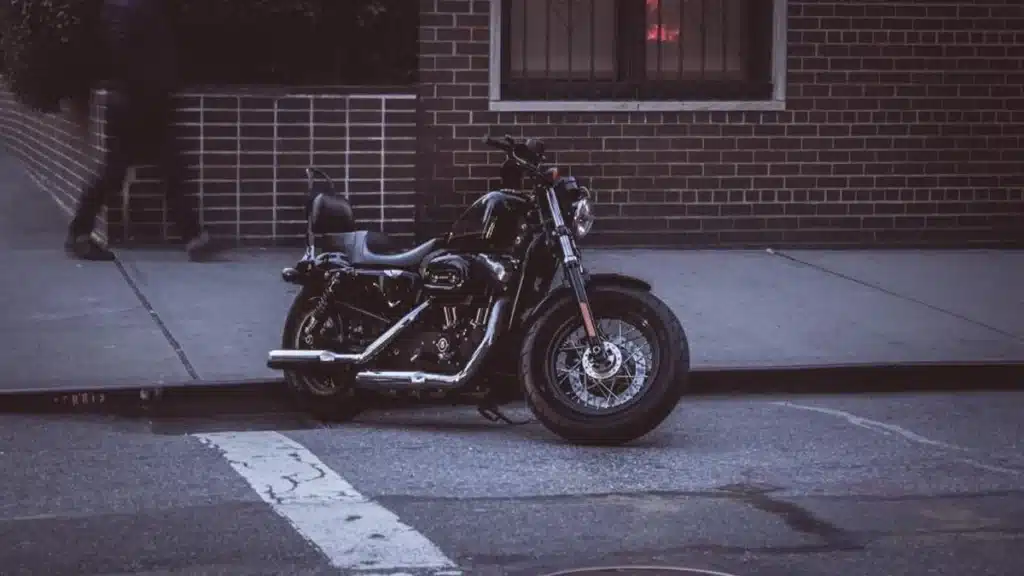
Featured image: Kevin Sequeira, CC0 via StockSnap.