
At a Glance
The most expensive car shipping mistake is not paying too much. It is chasing the lowest quote and ending up with a load no carrier will accept.
Our published long-haul reference rate is about $0.58 per mile. A quote meaningfully under the market on your lane is not a discount – it is a load that sits unassigned while your schedule slips.
What you will learn:
- Why the cheapest quote is frequently the most expensive
- The booking-window mistake that costs the most in peak season
- The delivery mistake that ends valid claims
Written by Daniela Quinchia —
Reviewed by
Last updated: 20 September 2026. This guide follows our editorial policy: every figure is either sourced to a named authority or flagged for verification.
Mistake 1: Choosing the cheapest quote
This is the mistake that generates most bad experiences, and it feels like prudence at the time.
Brokers post loads for carriers to accept. A load priced below what drivers on that lane will take does not get accepted — it sits. Days pass, then weeks. Eventually you are told the price must rise, or you cancel having lost the time.
Our published long-haul reference rate is about $0.58 per mile. When one quote sits dramatically below several others, ask what it is based on and what happens if no carrier takes it. Our breakdown of what car shipping costs explains the mechanics.
Mistake 2: Booking too late
Late booking does not just cost more. It removes your ability to choose.
Book two to three weeks ahead on most routes, and four to six weeks on seasonal lanes during their peak. Snowbird corridors compress southbound in autumn and northbound in spring, and in each peak the available capacity goes to whoever booked first.
Booking early also lets you offer a flexible pickup window, which is the single most effective free lever you have. A two or three-day window roughly doubles the carriers who can take your load.
Mistake 3: Skipping the pickup inspection
Everything about a future damage claim is decided in the ten minutes before the car is loaded.
The driver records existing damage on the Bill of Lading and you sign that it is accurate. If you sign without reading, you have accepted their record as the baseline.
Before signing:
- Wash the car so damage is visible.
- Photograph every panel, wheel and the roof, timestamped.
- Read the driver’s notes and correct anything missing.
- Keep your copy.
Our preparation checklist covers the full routine.
Mistake 4: Leaving belongings in the vehicle
Three separate problems, one habit.
- No liability. Carriers generally do not cover personal items, so anything that goes missing is simply gone.
- Damage. Loose objects slide over hundreds of miles and mark interiors.
- Weight. Trailers run to a legal limit, and added weight affects the load plan.
Remove everything that is not permanently installed, including toll transponders and garage remotes. Leave the spare, jack and factory tools.
Mistake 5: Not declaring the vehicle accurately
A surprise at pickup means the driver refuses the load and you start over.
What has to be declared at booking:
- Modifications — lift kits, lowered suspension, roof racks, oversized tires, spoilers.
- Running condition — and specifically whether it rolls, steers and brakes. See shipping an inoperable vehicle.
- Ground clearance, which determines the ramp or liftgate needed.
- Actual dimensions rather than the brochure figures.
None of these disqualify a vehicle. All of them change which carrier can take it.
Mistakes 6 and 7: Wrong transport type, and signing too fast
One costs money you did not need to spend. The other costs a claim you should have won.
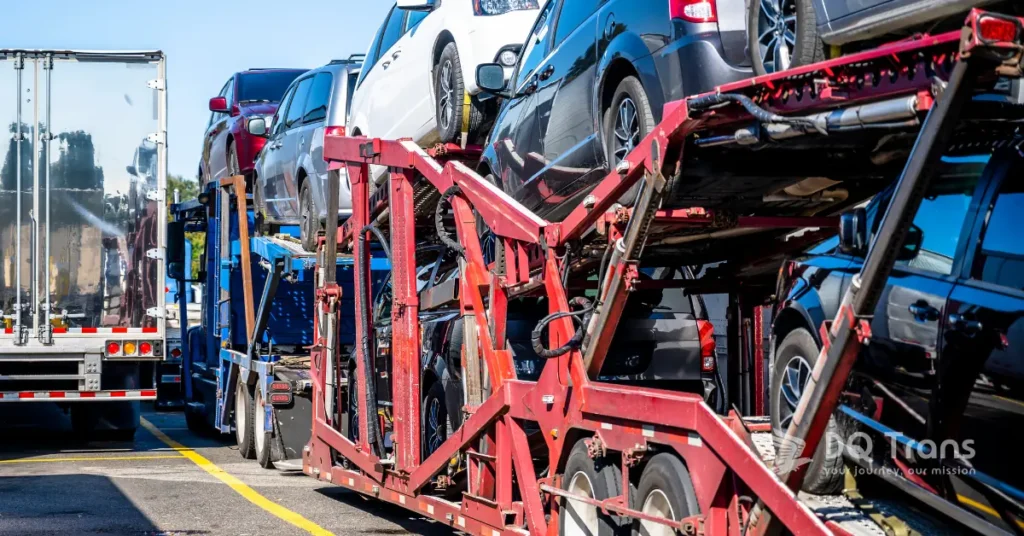
Mistake 6 — paying for enclosed on a daily driver. Open transport is how manufacturers deliver new cars to dealerships. For a commuter vehicle, the enclosed premium buys protection you do not need. Save it for the vehicles in our classic car guide.
Mistake 7 — signing the delivery form before inspecting. This ends more valid claims than every other mistake combined. The driver is in a hurry, the car is covered in road dust, and you sign. Once signed clean, you have certified the vehicle arrived undamaged.
At delivery: wash off the dust, walk the car against your pickup photographs, note anything new on the delivery copy, photograph again, then sign. A driver unwilling to wait for that is telling you something.
Explore the full carrier-vetting toolkit
- Spotting transport scams — Red flags before you pay anything.
- Auto transport FAQs — The questions we get most.
- 7 costly car shipping mistakes — What goes wrong and how to avoid it.
- How much does car shipping cost — Every factor that moves the number.
- How long auto transport takes — Realistic transit windows.
- How to prepare a car for transport — Pre-pickup checklist.
- Door-to-door car shipping — How pickup and delivery work.
- Open auto transport — The default method explained.
Frequently asked questions
What is the biggest mistake people make when shipping a car?
Choosing purely on price. A quote below what carriers on that lane accept produces an unassigned load, not a cheap shipment. The result is delay, followed by a request for more money.
How far ahead should I book to avoid problems?
Two to three weeks on most routes, four to six on seasonal lanes during their peak. Late booking narrows your choices to whatever capacity happens to remain.
Is it a mistake to leave belongings in the car?
Yes. Carriers generally do not accept liability for personal items, loose objects shift and damage interiors, and added weight affects the load. Remove everything not permanently installed.
What should I never do at delivery?
Sign the delivery form before inspecting the vehicle. Signing clean certifies the car arrived undamaged, and that ends most claims regardless of what you find afterwards.
Does the type of transport matter for a normal car?
Open transport is correct for the large majority of vehicles, including new dealer inventory. Paying for enclosed on a daily driver is a common and unnecessary expense.
How do I avoid a transport company that will not deliver?
Verify the MC and USDOT numbers are active, compare the quote against several on the same lane, refuse large deposits before a carrier is assigned, and get insurance figures in writing.
Key takeaways
- The lowest quote is often the slowest shipment. Underpriced loads do not get accepted.
- Book two to three weeks out, more in peak season. Late booking removes your options.
- Never sign the delivery form before inspecting. It ends more valid claims than anything else.
Get a quote that holds — or see our nationwide vehicle shipping service details.
References
- Broker Registration. Federal Motor Carrier Safety Administration.
- 49 CFR 387.307 – Property broker surety bond or trust fund. Electronic Code of Federal Regulations.
- How do I register with FMCSA as a broker?. Federal Motor Carrier Safety Administration.