
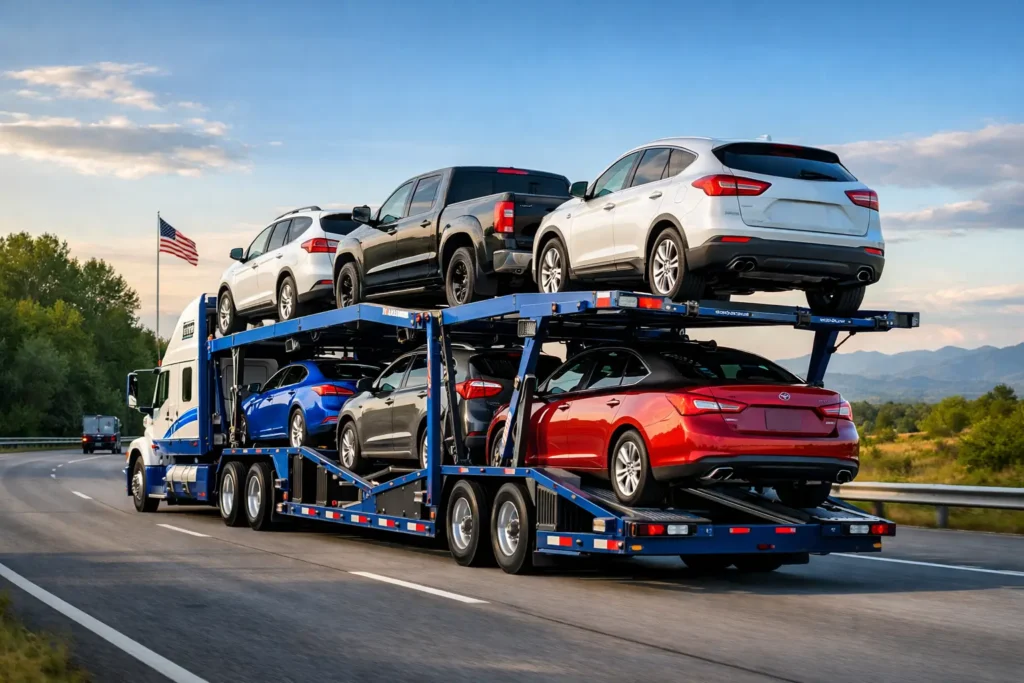
A PCS order can put a lot on a short timeline. When driving your vehicle across the country is not practical, a dependable military car shipping service keeps one major part of the move organized: getting your car where it needs to go safely and with clear communication along the way.
For service members and military families, the best transport plan is rarely about choosing the fastest-sounding option. It is about matching your vehicle, route, reporting timeline, and destination access with the right carrier and level of service. That is where professional coordination makes the process easier to manage.
What a Military Car Shipping Service Should Handle
Military vehicle shipping is designed for PCS relocations, training assignments, deployment-related travel, and other duty-station changes. A qualified auto transport provider coordinates pickup, carrier assignment, transit updates, and delivery for your car, SUV, truck, motorcycle, or specialty vehicle.
Door-to-door transport is often the simplest choice. The carrier picks up and delivers as close to your requested locations as safely and legally possible. On streets with narrow turns, low branches, parking restrictions, or limited space for a large truck, a nearby open lot or accessible meeting point may be a better solution. A reliable coordinator will explain that early instead of leaving you to solve it on pickup day.
DQ Trans LLC coordinates nationwide vehicle transport through a carefully vetted carrier network. That includes moves across the continental United States as well as vehicle shipping to and from Alaska, Hawaii, and Puerto Rico when a PCS route requires additional port coordination.
Start With Dates, Not Assumptions
A military move can involve changing report dates, travel plans, and base access requirements. Provide your available pickup window and the date you need the vehicle available at destination. This helps the transport coordinator recommend a realistic shipping schedule rather than treating every move as the same.
Pickup and delivery times depend on route demand, distance, weather, carrier availability, traffic, and access at each location. Expedited transport may be available when timing is especially tight, but it depends on the lane and available equipment. A professional quote should explain the service level and timing expectations clearly without promising a date that transportation conditions cannot support.
If someone else will release or receive the vehicle, identify that person before dispatch. They should have the keys, know the vehicle’s condition, and be reachable when the driver calls. This simple step prevents avoidable delays when your own travel schedule is already full.
Give Accurate Vehicle Details
The quote should reflect the actual vehicle being moved. Share the year, make, model, trim, operating condition, and any modifications that affect height, length, clearance, or weight. An oversized pickup, lifted SUV, oversized tires, roof rack, or non-running vehicle may require different equipment or pricing than a standard sedan.
Accuracy matters because carriers reserve limited space on a trailer. A complete vehicle description allows the transport team to match your shipment with equipment that can handle it safely. It also prevents last-minute changes at pickup.
Open vs. Enclosed Transport for PCS Vehicles
Most PCS vehicle shipments move on open auto carriers. This is the standard option used for a wide range of daily drivers, trucks, and SUVs. Open transport offers strong availability on many national routes and is generally the most cost-effective choice.
Enclosed transport is a better fit for luxury, exotic, classic, collector, or high-value vehicles that need added protection from road exposure during transit. It can also make sense for vehicles with very low ground clearance. The trade-off is that enclosed capacity is more limited and typically costs more than open transport.
Neither option is automatically right for every service member. The right choice depends on the vehicle, budget, route, and how much protection you want during transport. A reputable military car shipping service should walk through those differences in plain language before you book.
Preparing Your Vehicle for Pickup
A clean, organized handoff helps protect you and the carrier. Before pickup, remove loose items from the cabin and trunk, take clear photos of the exterior from several angles, and check that the vehicle can be loaded as described in your booking.
Keep the fuel level low, typically around one-quarter of a tank, so the vehicle is easier and safer to load. Disable or secure any aftermarket alarms that could activate in transit. Fold in mirrors when appropriate, remove or secure removable accessories, and make sure the driver has a working key.
At pickup, the driver will complete a vehicle condition report, often called a bill of lading. Review it carefully with the driver before the vehicle is loaded. At delivery, inspect the vehicle again before signing the final paperwork. This creates a clear record at both ends of the shipment.
Communication Matters More During a PCS Move
Auto transport is a high-trust service. You are handing over a valuable vehicle while managing orders, travel, and a new destination. Responsive communication is not an extra. It is part of the service.
Look for a company that can explain who is handling your shipment, how pickup coordination works, what contact information you will receive, and how updates are provided during transit. The carrier driver is often the best source for day-of pickup and delivery coordination, while the transport team should remain available to help resolve logistics questions.
This is especially valuable when you are traveling ahead of your vehicle or coordinating with a spouse, family member, or designated contact. Clear updates reduce uncertainty and make it easier to plan the first days at your new duty station.
Shipping to Alaska, Hawaii, or Puerto Rico
PCS moves involving Alaska, Hawaii, or Puerto Rico require a different level of planning than a standard continental shipment. The vehicle may travel by truck to or from a port and then continue by ocean transport. Port procedures, documentation requirements, sailing schedules, and delivery access can affect the overall timeline.
Book as early as your orders and travel plans allow. Confirm the pickup and destination details, vehicle condition, and any port-specific instructions with your transport coordinator. The goal is not to make the process sound complicated. It is to ensure every handoff is planned before the vehicle begins its journey.
Questions to Ask Before Booking Military Vehicle Shipping
Before selecting a provider, ask whether the company is FMCSA licensed, bonded, and experienced with long-distance vehicle logistics. Confirm whether the quoted service is open or enclosed transport, whether the vehicle is operable, and how pickup and delivery communication will work.
You should also ask how the company handles location constraints near bases or residential areas, what documentation is used at pickup and delivery, and whether expedited options are available for your route. These questions help you compare service quality, not just a number on a quote.
Be cautious of vague estimates that do not account for your actual vehicle or route. A useful quote is specific enough to support a real transportation plan. It should reflect the type of vehicle, origin, destination, requested timing, and transport method.
A Better Way to Plan Your Vehicle Shipment
Once you have your PCS timeline, request your vehicle transport quote early and share the details that affect dispatch. Leave room in your schedule for a pickup window, identify a backup contact, and choose open or enclosed shipping based on your vehicle’s needs rather than assumptions.
Your next duty station comes with enough moving pieces. A fully insured, professionally coordinated vehicle shipment gives you one less logistical concern and lets you focus on arriving ready for what comes next.