
Quick answer
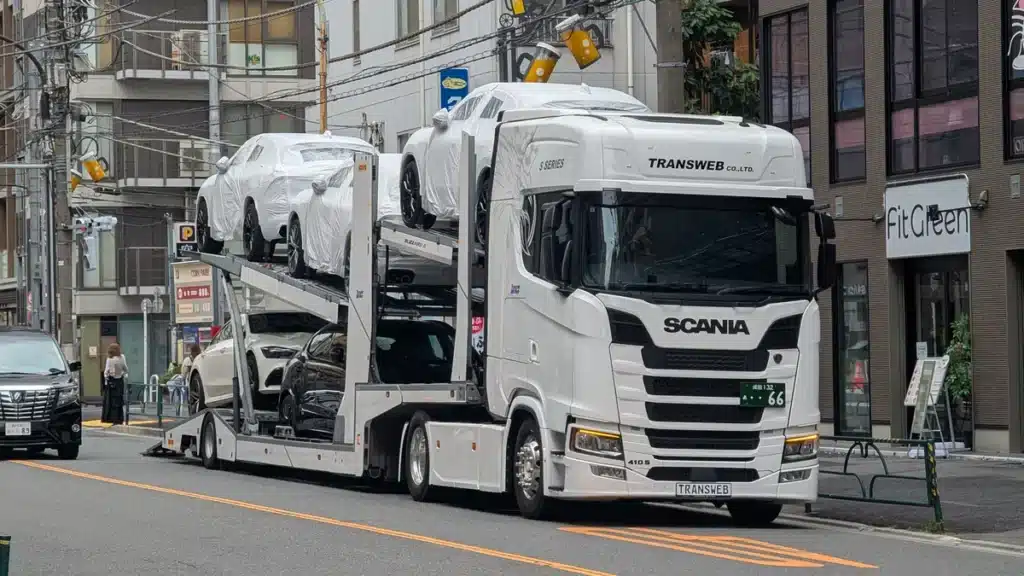
Shipping a car to another state means booking an FMCSA-authorized carrier, usually through a broker, to load your vehicle on a truck at one address and deliver it to another across state lines.
It is a common need: 2.1 percent of U.S. residents moved to a different state in 2024, according to the American Community Survey (U.S. Census Bureau).
Moving to a new state is stressful enough without a 1,500-mile drive at the end of it. Many people hit the same wall: dozens of quotes, prices that do not match and no clear way to tell a real carrier from a lead seller.
Interstate moves are a steady part of American life, and more of them now include shipping a car rather than driving it. The process is simpler than it looks once you know the order of steps.
This guide explains how to ship a car to another state in seven steps. You will learn what to compare, which documents matter and what to check when the truck arrives.
How do you ship a car to another state?
You request quotes, verify the company, book a pickup window, prepare the car, inspect it with the driver and sign the bill of lading at both ends. Here is the full sequence.
- Gather your details. Pickup and delivery ZIP codes, vehicle year, make and model, and whether it runs.
- Request two or three quotes. Ask each one if the price is all-in, including fuel and insurance.
- Verify the company. Look up its USDOT and MC numbers before you pay anything.
- Choose open or enclosed transport. Open is standard; enclosed protects high-value cars.
- Book a pickup window. Two to five days of flexibility helps dispatch place the car quickly.
- Prepare the vehicle. Clean it, photograph it and remove personal items.
- Inspect and sign. Review the bill of lading at pickup and again at delivery.
Each step takes minutes, not days. The one that saves the most trouble is step three, so the next section covers who you are actually hiring.
Should I use a broker or a carrier?
Most people book through a broker because brokers can reach thousands of carriers and match your car to a truck already on your route. A carrier owns the trucks; a broker arranges the move.
| Broker | Carrier | |
|---|---|---|
| Owns trucks | No | Yes |
| Route coverage | Nationwide network | Limited to its own lanes |
| Federal authority | Broker authority and a $75,000 bond | Motor carrier authority and insurance |
| Best for | Most interstate moves | Fixed, repeat routes |
Either way, check the company on the FMCSA SAFER system before booking. A legitimate broker or carrier has an active USDOT number and operating authority. Our guide to the signs of an auto transport scam lists the red flags to watch for.
Once you know who you are hiring, you can judge what a fair price looks like.
How much does it cost to ship a car to another state?
The cost to ship a car to another state depends mostly on distance, vehicle size, trailer type, season and how easy the pickup and delivery points are to reach. Longer trips cost more in total but less per mile.
Use this list to see why two quotes for the same car can differ:
- Distance. Short hauls carry a higher per-mile rate because loading time is the same.
- Route. Major interstate corridors are cheaper than rural or mountain addresses.
- Vehicle size and weight. Pickups and large SUVs take more space.
- Condition. A non-running car needs a winch, which adds a fee.
- Trailer type. Enclosed transport usually costs more than open.
- Season. Summer moves and snowbird months raise demand.
Be wary of a quote far below the others. A price set below what carriers accept often sits unassigned until you agree to pay more. Get a realistic figure for your route with our cost calculator, then read what drives car shipping costs. With a price agreed, the next task is getting the car ready.
How do I prepare my car for interstate shipping?
Wash the car, document its condition with dated photos, remove belongings and toll tags, and leave roughly a quarter tank of fuel. That is the core of interstate car shipping preparation.
- Clean the exterior so existing marks are visible at inspection.
- Photograph every panel, the roof, wheels, odometer and interior.
- Remove personal items. Carriers are not licensed to move household goods, and contents are not insured.
- Remove toll transponders and parking passes.
- Fold in mirrors and remove loose racks or antennas if possible.
- Note any leaks or quirks for the driver, such as a tricky alarm.
Our detailed pickup-day checklist covers each item. If your car does not run, read shipping an inoperable vehicle first. Preparation leads directly to the most important document in the process.
What happens at pickup and delivery?
At pickup, you and the driver inspect the car and record its condition on the bill of lading; at delivery, you repeat the inspection before signing. That document is your receipt and your evidence.
Federal law requires a carrier to issue a receipt or bill of lading for property it receives (49 U.S.C. 14706). In auto transport, it doubles as the condition report.
At pickup:
- Walk around the car with the driver.
- Check that every existing scratch or dent is marked.
- Get a copy of the signed bill of lading.
At delivery:
- Inspect in good light, even if the driver is in a hurry.
- Compare against your pickup photos.
- Write any new damage on the bill of lading before you sign.
Damage not noted at delivery is much harder to claim later. With the handoff covered, the last question is how long you will be without the car.
How long does it take to ship a car to another state?
Most state-to-state auto transport takes one to two weeks from booking to delivery, with transit itself running from one or two days for short routes to about a week or more coast to coast. Pickup assignment usually takes one to five days.
| Distance | Typical transit |
|---|---|
| Under 500 miles | 1 to 3 days |
| 500 to 1,500 miles | 3 to 6 days |
| Over 1,500 miles | 6 to 10 days |
Drivers are limited by federal hours-of-service rules and make several stops along the way. Weather and seasonal demand can add days. If you need the car on a fixed date, ask about expedited car shipping.
For a route-by-route view, see how long auto transport takes, or start your move with our nationwide vehicle shipping service.
FAQ
Do I need to be present at pickup and delivery?
You or a trusted adult you name must be there to hand over keys, inspect the car and sign the bill of lading. Tell your broker who that person is in advance so the driver can confirm their identity.
Does my car need to be registered and insured to ship it?
Carriers generally ask for a vehicle with valid registration and the owner’s insurance in place. Your own policy may cover some situations the carrier’s policy does not, so call your insurer and ask how coverage works while the car is shipped.
Can I ship a car I just bought from a private seller in another state?
Yes. Arrange pickup at the seller’s address and make sure they will release the car to the driver. Have the signed title and bill of sale ready, because the driver may ask to see proof that the release is authorized.
Is it safe to pay a deposit before pickup?
A small booking deposit is common with brokers. Pay only after checking the company’s USDOT and MC numbers, read the cancellation terms first, and avoid any company that demands the full price by wire before a carrier is assigned.
Do I need a new registration after shipping my car to another state?
If you are becoming a resident, yes. Each state sets its own deadline to transfer title and registration, often between 10 and 60 days. Check your new state’s motor vehicle agency soon after arrival so you do not miss it.
Summary
- Shipping a car to another state follows seven steps, and verifying the company’s USDOT and MC numbers is the one that prevents the most problems.
- Price depends on distance, vehicle, trailer type, season and access; a quote far below the rest often never gets a truck.
- The bill of lading is your evidence: record condition at pickup and write any new damage on it before signing at delivery.
Moving soon? Request your interstate shipping quote, or ask a question in the comments. Next, read the best way to ship a car across the country.
References
- United States Migration/Geographic Mobility at a Glance: ACS 1-Year Estimates. U.S. Census Bureau.
- 49 U.S.C. 14706: Liability of carriers under receipts and bills of lading. Legal Information Institute, Cornell Law School.
- 49 CFR 387.307: Property broker surety bond or trust fund. Electronic Code of Federal Regulations.
- SAFER Company Snapshot lookup. Federal Motor Carrier Safety Administration.
Featured image: Syced, CC0 via Wikimedia Commons.